Beneficial Insect Decomposers
When considering beneficial insects, decomposers are seldom included in the conversation. Rather, the focus revolves around pollinators, predators, or parasitoids. However, the world would be a sorry place if we did not have these beneficial decomposers cleaning up the debris left from decaying organic matter. As fall approaches, it is the perfect time to investigate these vital cogs in the ecological wheel.
Decomposers (or, fondly referred to as “poopers” by the Dodge County Youth Master Gardener class, in keeping with the “P” alliteration used when classifying insects) break down and dispose of wastes, dead animals, and plant debris that would otherwise accumulate in our environment and lead to a toxic mess.
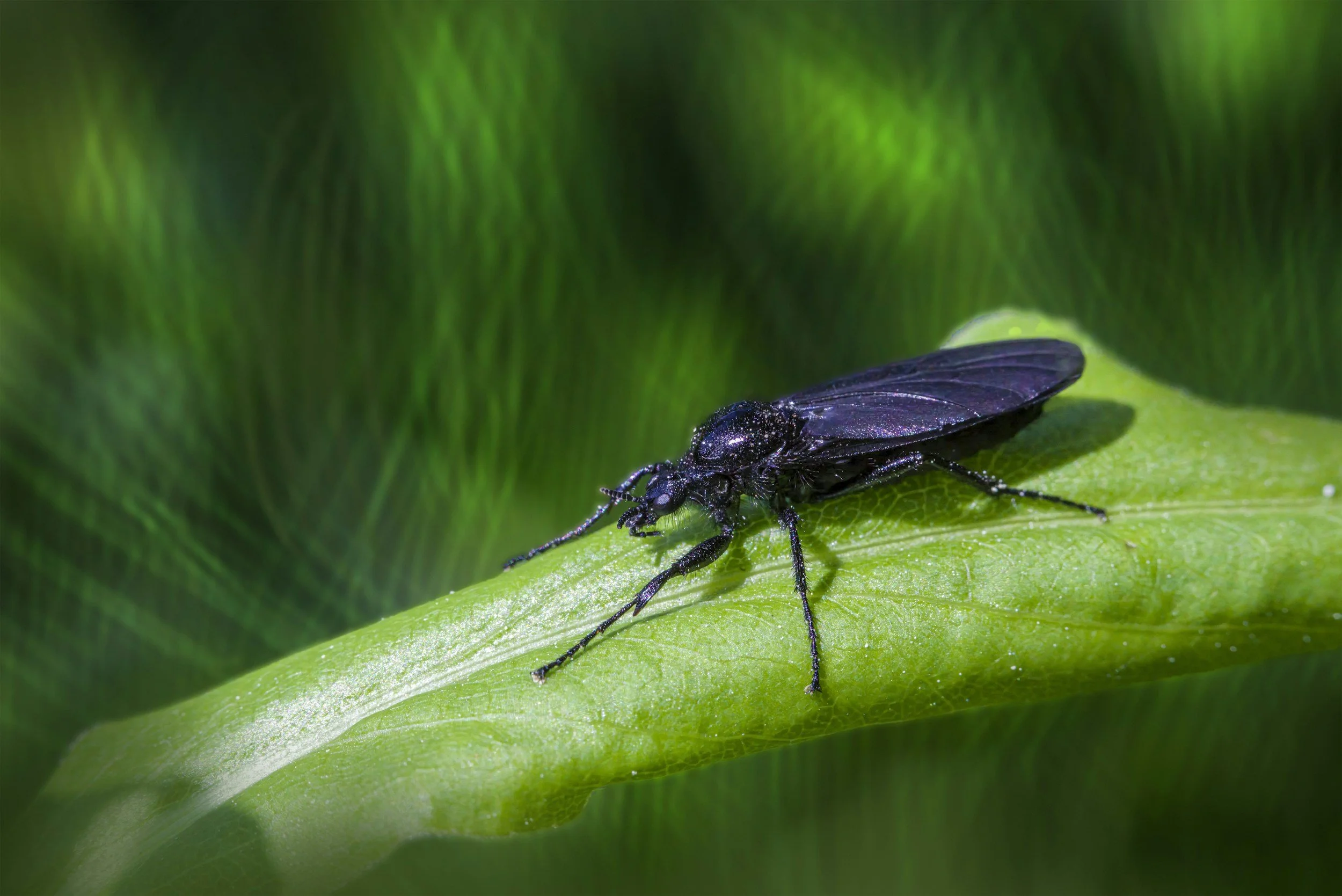
The black soldier fly (Hermetia illucens) lives for about a week and is one of the most beneficial flies in existence. The adults do not feed, cannot bite, do not spread disease, and are no danger to humans, even though they strongly resemble wasps and can frighten unsuspecting individuals. The larvae are voracious consumers of human kitchen garbage, consuming up to two pounds of debris per day. They will eat essentially everything except eggshells, weeds, and paper, making them a composter’s friend. In addition to consuming waste, the larvae also consume other insect larvae, helping to keep populations of less desirable insects at bay.

It is a rare gardener who has not encountered the European earwig (Forficula auricularia) in the landscape. These formidable-looking insects are beneficial, are not a danger to humans, and provide a valuable service. Despite rumors to the contrary, they do not crawl into the ears of sleeping individuals to cause fevers and insanity. Earwigs are scavengers and will eat both plants and small insects. They are great at cleaning up small pest insects and decaying matter in the garden. However, their indiscriminate appetite also includes marigolds, dahlias, zinnias, hostas, lettuce, celery, potatoes, vegetable seedlings, and the silk on sweet corn. This does not endear them to most gardeners.
The damage they inflict can look like slug feeding, but slugs leave a slime trail and earwigs do not. Most mature plants can tolerate some damage, but when earwig populations get too large, they can become a problem.
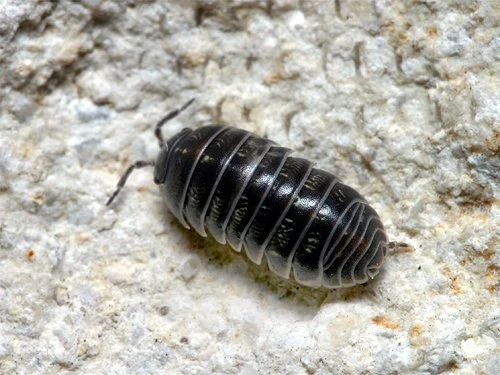
Pillbugs (family Armadillidiidae) and sowbugs (family Porcellionidae) are not true insects but are soil-dwelling crustaceans. They feed on decaying plant matter and stay hidden under organic litter or debris on the ground and beneath low-growing plant parts. When disturbed, pillbugs will roll into a ball and have earned the nickname “roly-polies.” They do occasionally feed on seedlings, lower leaves, plants that touch the soil, and fruit, but most often they confine themselves to cleaning up plant debris. They are often found in compost bins, working away to convert waste into usable soil amendment.
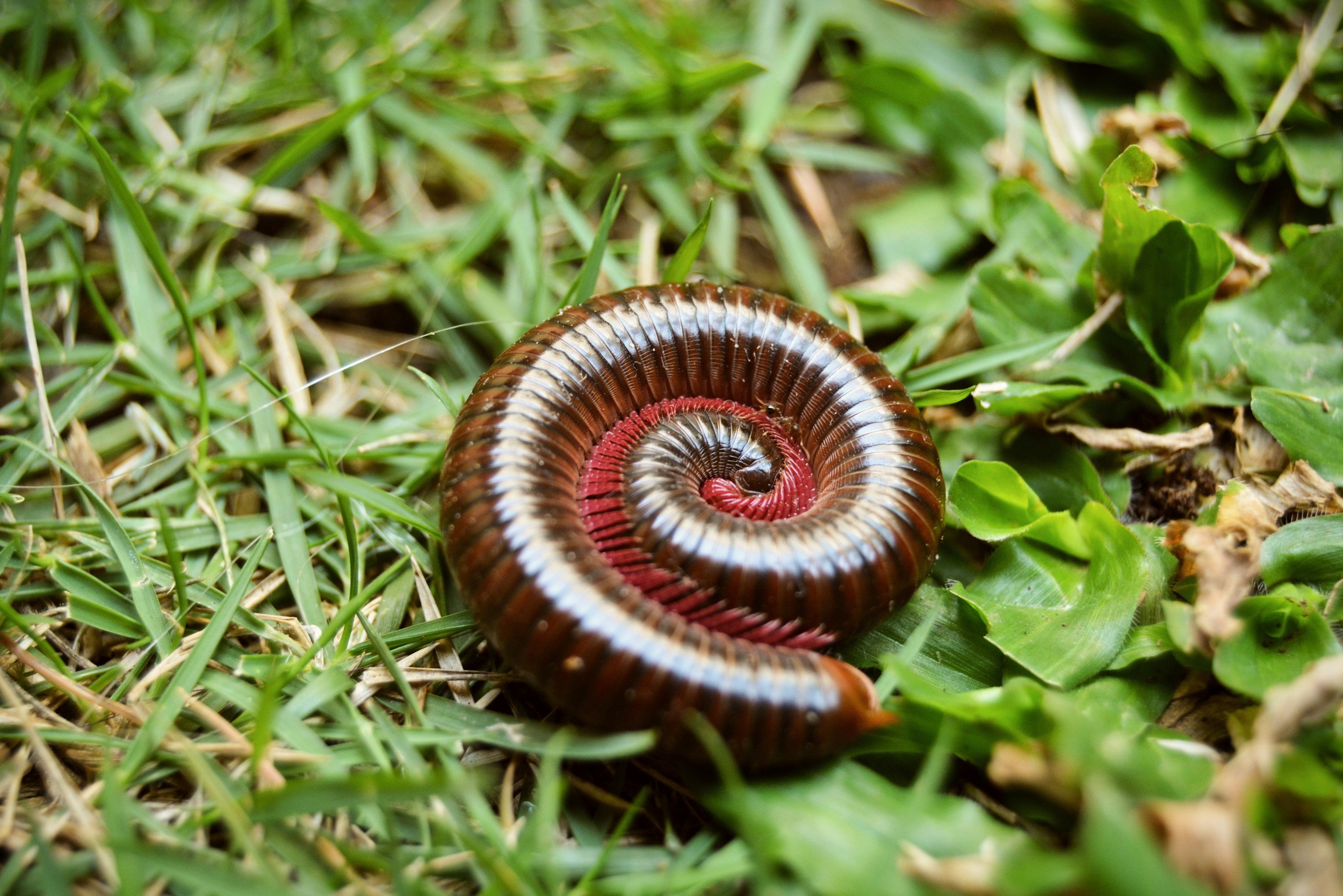
Millipedes (class Diplopoda) are arthropods that also feed on organic matter. They seldom feed on living plant matter, preferring to stick to decomposing plant material. They are active at night and are efficient decomposers.
Insects make the world a much more interesting place and provide exceptional benefits. In spite of all their positive attributes, some can cause problems. While some are genuinely pests because they threaten human health, destroy crops, damage structures, or cause conflict, others simply cause minor inconveniences while providing benefits such as cleaning up the environment. Therefore, these minor inconveniences can often be tolerated. Not all insects need to be eliminated; many can instead be managed by changing the environment.
Carol Shirk
Certified Master Gardener