Stretching Summer: August Planning
“August... brings katydids, elderberries, blackberry pie, and goldenrod... August is just another thirty-one days of concentrated Summer, but it certainly gets one in condition to appreciate Fall when it comes. Good old August — we'll take it, and some of us will like it.” - Hal Borland
As we slide into August, we see the beginning of fall as the days start a little later and end a bit sooner. However, there is still time to engage in gardening and enjoy the efforts of a season well spent.
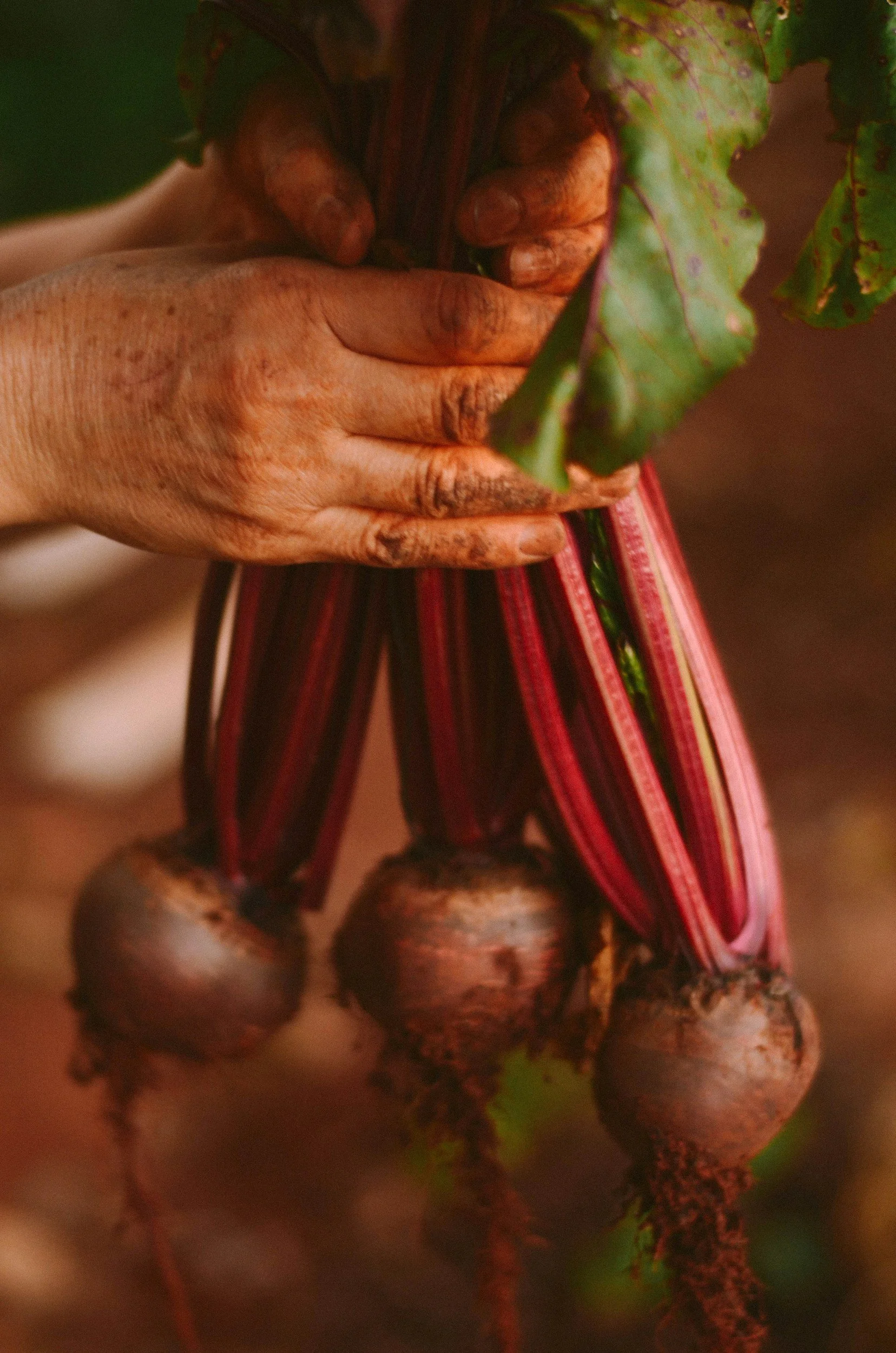
If planted in the early days of August, several vegetables can still be grown and harvested. Be certain to choose varieties with shorter maturation periods and add a week or two to compensate for the late-season growth, sometimes called the “fall factor.” Since the days are growing shorter and the temperatures are dropping, this extra week or two can make the difference between having a good harvest and not having one. Beets, carrots, green beans, lettuce, radishes, spinach, peas, and kale are all good options for fall gardening.
Pay close attention to the vegetable garden that is already planted, and harvest regularly. Do not allow winter or summer squash, cucumbers, or root crops to become oversized before harvesting, as they will have reduced flavor. By picking vegetables regularly, the plant is encouraged to produce more, and the harvest will be more bountiful. Do not fertilize existing vegetables in the fall. However, fall is an excellent time to take a soil sample, which will provide the information needed to be prepared for spring.
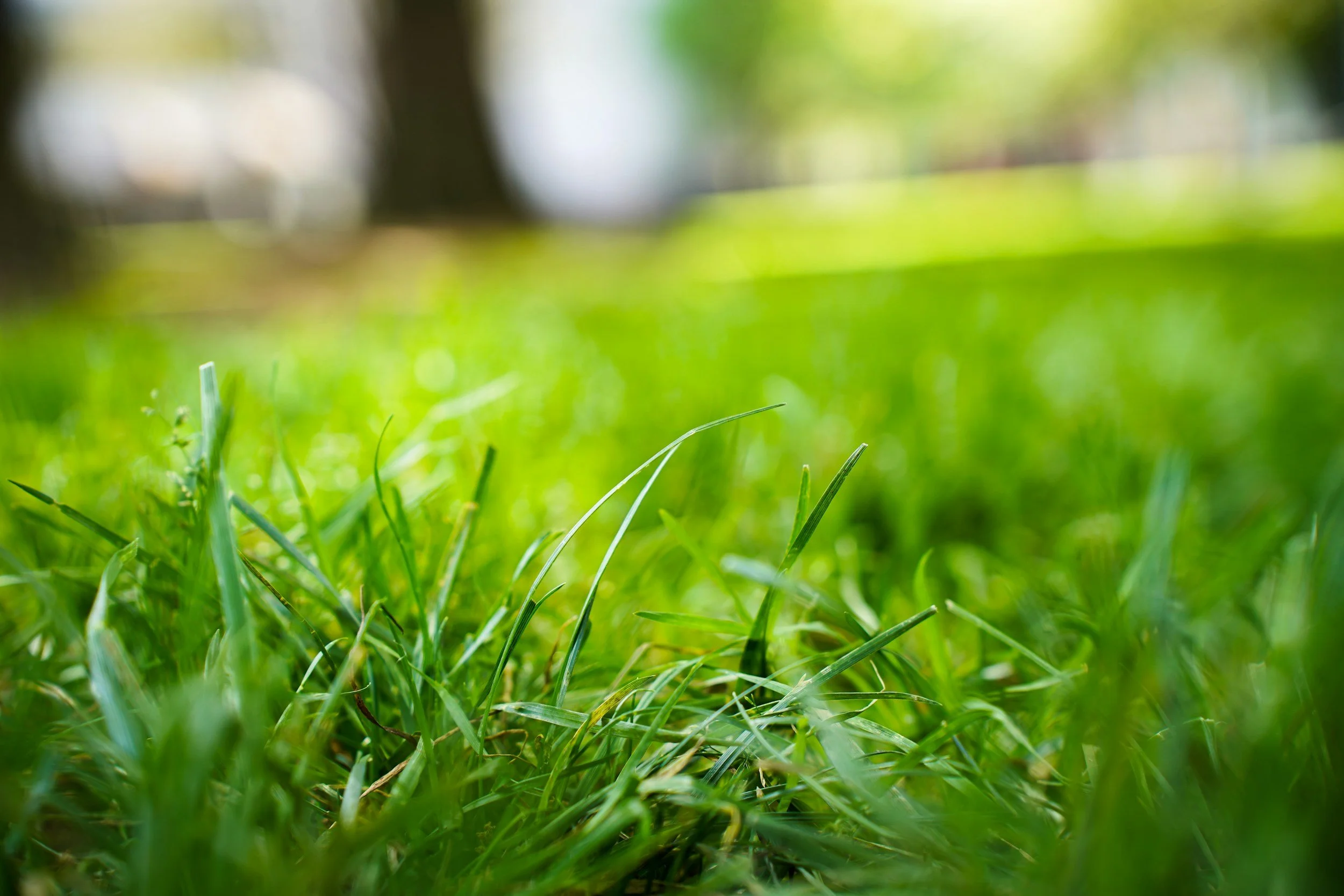
Fall is a wonderful time to address lawn care. Wait to fertilize until around Labor Day. However, mid- to late August is the best time to seed bare areas or overseed thinning areas of turf. Carefully select the seed mix so that it meets the needs of the situation: a shade-tolerant mix for shady areas and a cool-season, full-sun mix suitable for our northern climate.
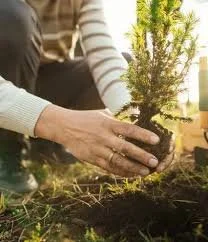
If an evergreen tree is still desired in the landscape, there is still time to plant one by mid-August to early September, provided it is properly watered. Do not plant these more tender trees any later in the season. However, shrubs such as lilac, forsythia, and witch hazel can be planted as late as the end of September. Apples, elms, most maples, catalpa, horse chestnut, hackberry, linden, honey locust, and sycamore are among the trees that can also be planted in the fall through late September. This list is, of course, weather dependent, and if an early fall or winter arrives, the timing may need to change. For many other trees, it is best to wait until spring for the best results. Any newly planted trees will need sufficient water to establish a good root system before winter. Established trees also need at least an inch of water per week and should be prioritized in any watering schedule.
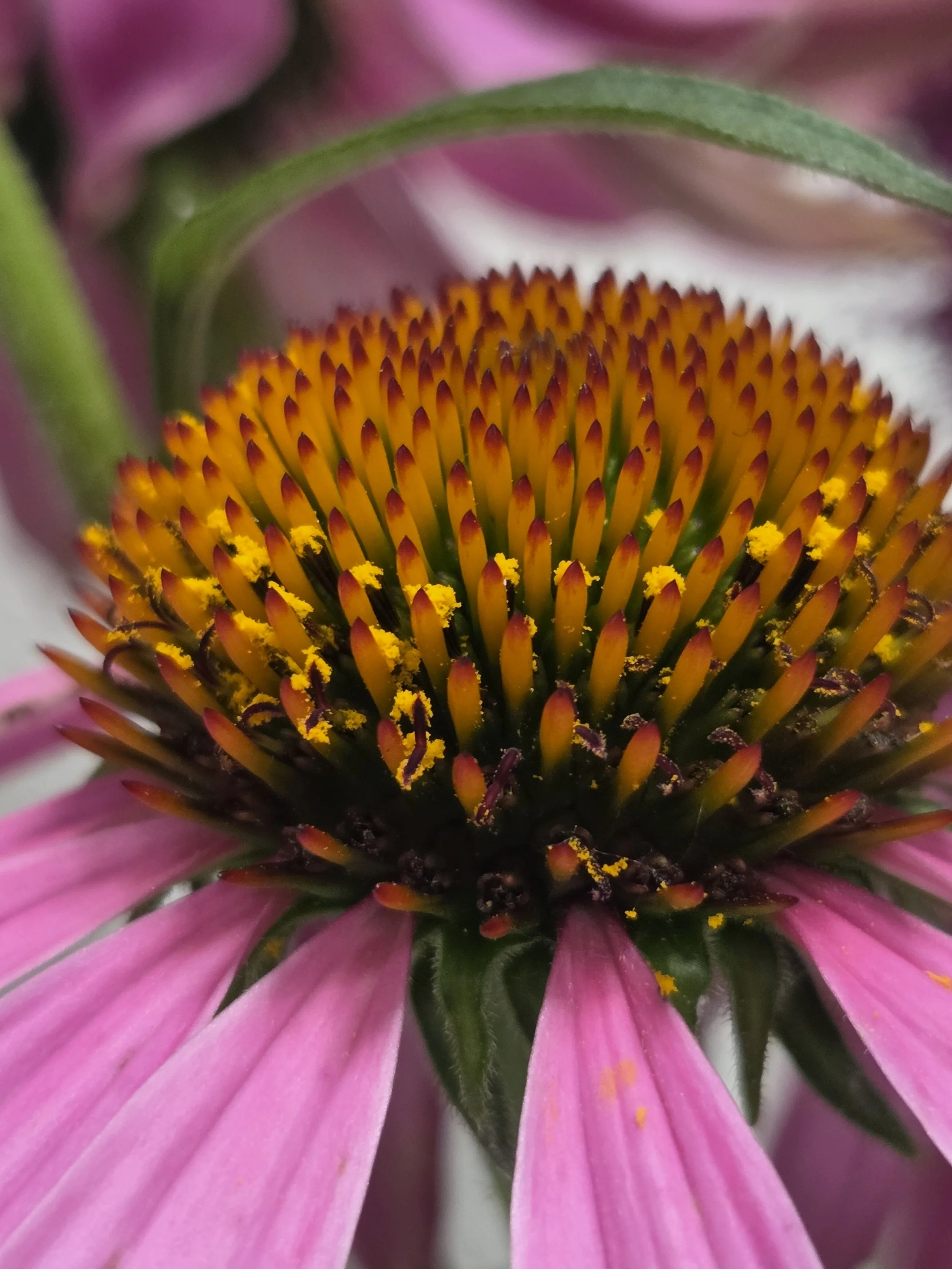
Perennials require care during August. Continue to deadhead spent blooms to encourage new flowers and keep the plants looking their best. However, consider leaving some seed heads for winter interest and as a food source for birds. Good choices include astilbe (Astilbe), coneflower (Echinacea spp.), ornamental grasses, globe thistle (Echinops), and others.
August is a busy gardening month. It is not a time to sit back and rest, but a time of fruitful labor.
Carol Shirk
Certified Master Gardener