Oregano: The Hardy Herb
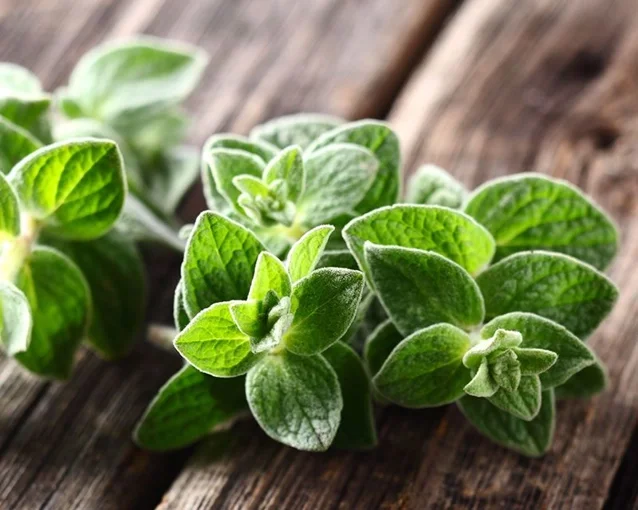
Oregano (Origanum) is native to Europe, Central Asia, the Mediterranean, and North Africa. The genus name comes from the Greek words oros, meaning “mountain” and gamos, meaning” beauty,” indicating its native habitat. It was introduced to the United States after World War II when soldiers returned reporting how much they enjoyed the flavor of Italian pizza. Demand has grown significantly since that time.
Oregano (Origanum vulgare) and sweet marjoram (Origanum majorana) are closely related and sometimes confused. Both are cultivated for their aromatic leaves and used in various cuisines. However, marjoram is significantly sweeter and milder. The preferred, true oregano is Greek oregano (Origanum vulgare hirtum). To further confuse the issue, there is a popular Mexican oregano (Lippia graveolens). However, although this herb packs a culinary punch, it is from a completely different species, and is not a true oregano. Therefore, when selecting plants or seeds, make certain to check the Latin name to get true oregano.
Oregano has been employed for hundreds of years by many cultures. According to Greek mythology, the goddess Aphrodite created oregano as a symbol of happiness. The Greeks used it both in marriage ceremonies to promote joy and in funeral services to provide peace to the departed. Ancient Greeks and Romans used the leaves to treat skin sores, to relieve aching muscles, and as an antiseptic. Medieval Europeans used the leaves to relieve rheumatism, toothache, indigestion, and cough.
Growing oregano is an easy process. It is a hardy herb, preferring full sun and well-drained to dry soil. It is drought, deer, rabbit, poor soil, and erosion tolerant. There are no serious disease or pest problems with this hardy plant. It can be propagated by seeds, cuttings, or division. Bees and butterflies are attracted to their blooms. It can be used as a groundcover, border, or container plant. It fits well in edible gardens, cottage gardens, pollinator gardens, rock gardens, and sensory gardens.
If starting from seeds, just press the seeds lightly into the growing medium as they require light for germination. Starting the seeds inside and then transplanting outside after all danger of frost has passed is a good way to get a head start on the season. To help ensure winter survival, mulch the plant after the ground is frozen and then remove it after growth resumes in the spring.
Once an oregano bed is established, it will last for many years. Harvesting should begin by cutting just before the plants begin to flower. Cut the stem tips, leaving four to six leaves for the plant to continue growing. Side shoots will spring off from these cut points, making the plant bushier and more compact. Use the leaves either fresh or hang upside down until the leaves are dry, strip them from the stem, and store in a sealed container for later use.
If the plant is not needed for culinary uses, it is a wonderful pollinator plant. Allow the plant to bloom and the bees and butterflies will flock to the fragrant blossoms. In either case, whether used for culinary purposed or for ornamental purposed, renew the plant at the end of the season by pruning it back near the base, near the lowest set of leaves. Growth will resume the following spring.
Carol Shirk
Certified Master Gardener