Gardening in Weather Extremes
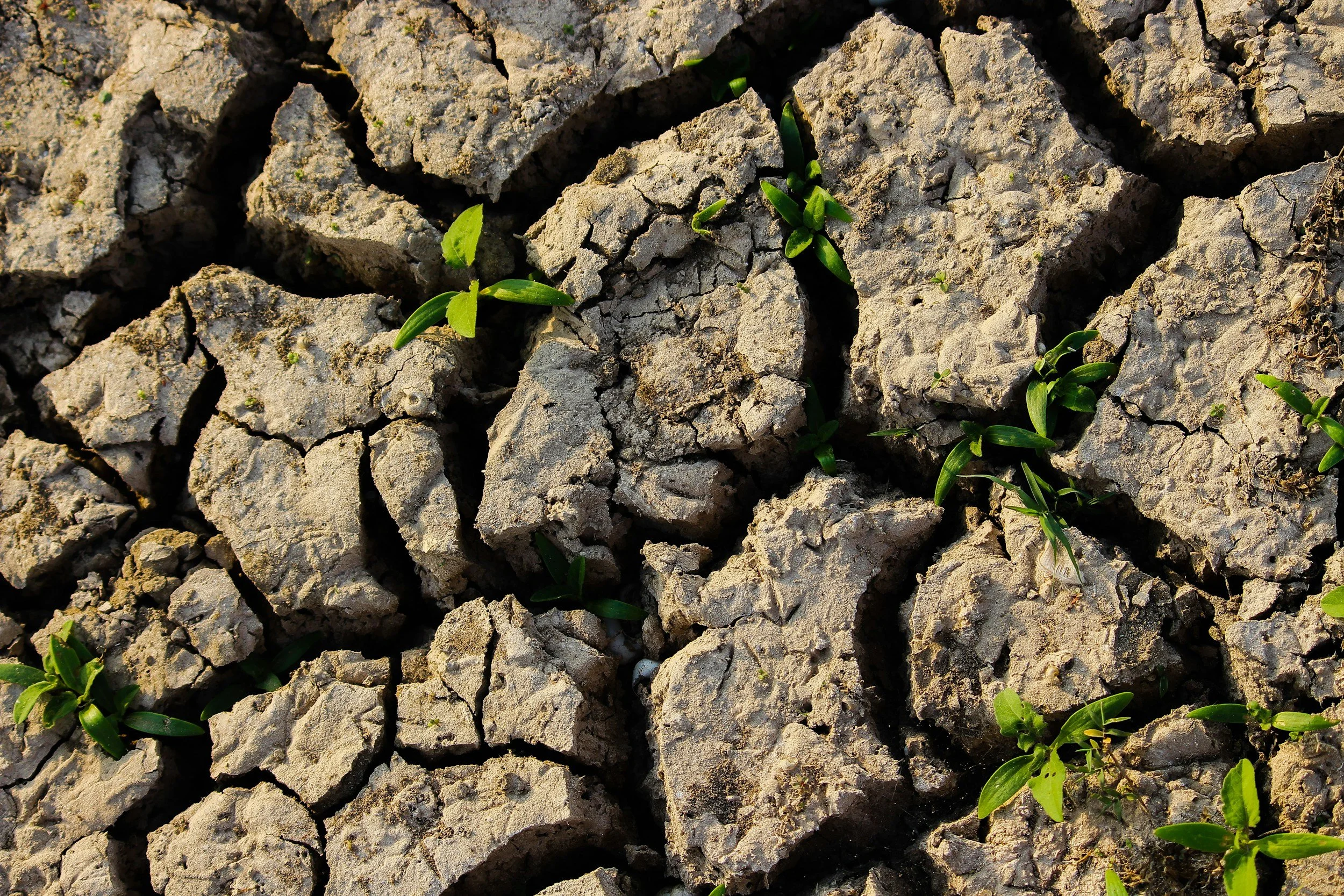
Spring is just around the corner and gardeners are beginning to plan for the upcoming season. Unfortunately, we lack a crystal ball to tell what the weather will be, but one thing is certain: Wisconsin weather can be very unpredictable. It can swing from a wet, soggy spring to a dry, almost drought-like mid-summer with extreme heat in a blink. Is there a way to plan for these extremes?
Wisconsin summers can tend toward hot and humid. Any time the daytime temperatures rise above 90 degrees and the nighttime temperatures stay above 70 degrees, plants will experience stress and reduced growth. Couple this with a lack of moisture and more stress induced problems occur.
There are a few things to keep in mind before those conditions occur that will help landscapes and gardens. Plant things that have deep root systems, in particular, native plants that fit this bill. They are better adapted to survive adverse conditions.
Maintain plants, being diligent about disease and insect control, before extreme weather occurs. This will put the plants in the best health before stress occurs. Be consistent about incorporating organic matter into soil, the very basis of good health for plants. Apply mulch to beds to conserve moisture and reduce weed competition. Mow turf grass longer (3–4 inches) to promote deeper roots.
Once the extreme weather hits, there are precautions that will help get through the hardest part. If supplemental watering is necessary, water in the morning when it is cooler and evaporation is less. Be sure to target water at the base of the plant and do not overhead water. Water deeply and slowly, allowing the water to soak in well; soaker hoses are a good option.
Container gardens and recent transplants are going to be of great concern. Containers will dry out rapidly and may need to be watered more than once per day. Because recent transplants have not had sufficient time to establish good root systems, they may also need additional water and care.
Although it is tempting to water turf grass when it appears to brown out, the reality is that Kentucky blue grass can go dormant without water for six weeks without damaging the crown. So, save the water for something else that is more needy. Other species of turf grasses may require water at 1–2 weeks. Once the cutoff point has arrived and it becomes necessary to water, do so just enough to keep the crown alive (about ¼ inch per week), but not so much that the grass greens up again.
During the extreme weather, do not fertilize or use other chemicals. Obviously, do not mow. Do not prune trees and bushes, however deadheading perennials is acceptable. Do not try to transplant anything, but wait until conditions improve.
Some of the most at-risk plants after a drought are trees and shrubs. They should be carefully monitored and given supplemental water well into the fall. The stress symptoms may last years before recovery is complete. Drought and extreme heat will also make woody plants more susceptible to disease and insect infestation. Therefore, it is important to visually inspect the plants on a regular basis.
Despite the unpredictability of Wisconsin weather, gardening in this area is a great joy. Not every year is a rousing success, but nothing beats being in a garden in the summer.
Carol Shirk
Certified Master Gardener