The Benefit of Trees
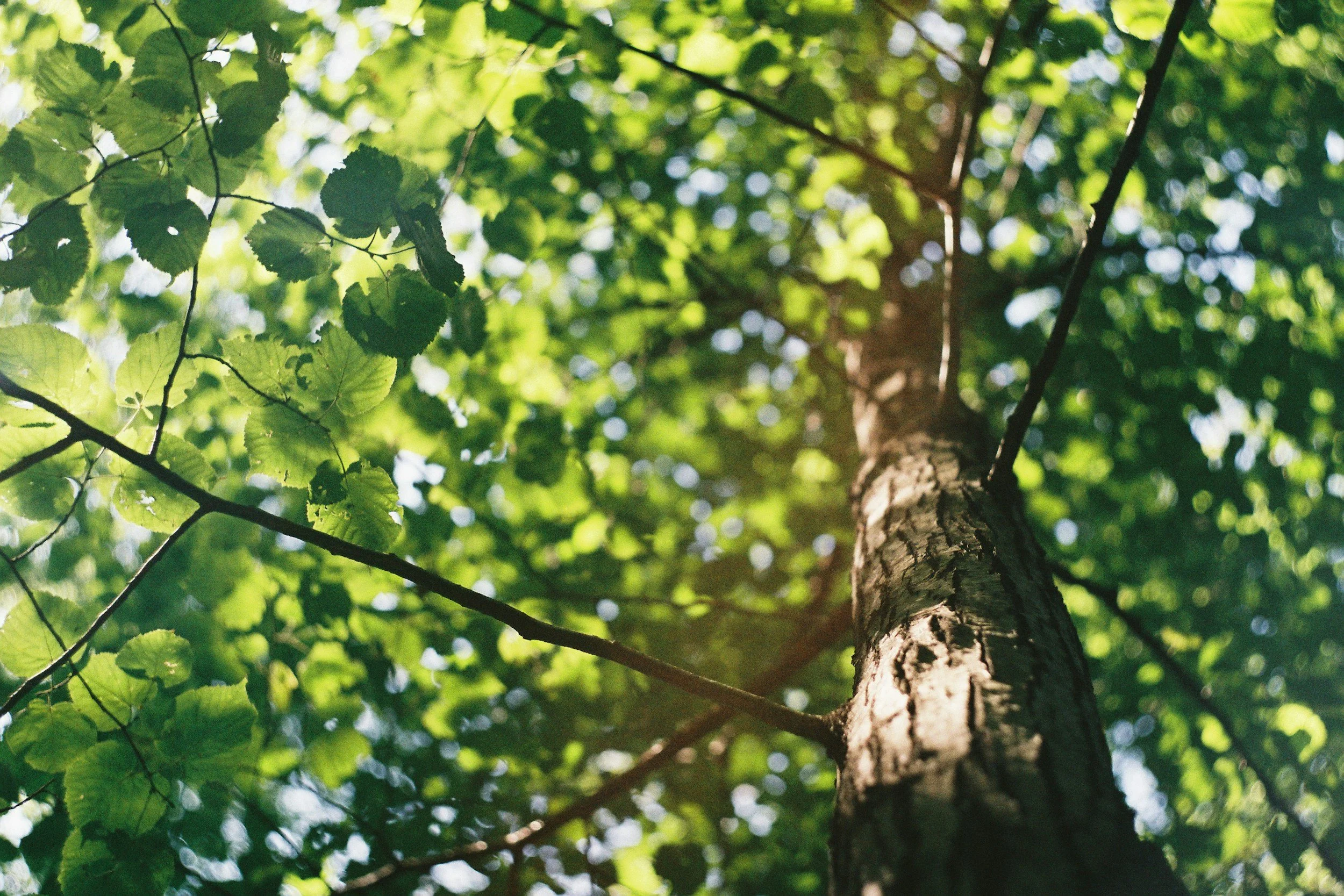
Planting a tree is a simple but powerful act—one that shows faith in tomorrow. Trees grow to give us cleaner air and water, cooling shade, wildlife habitat, healthier neighborhoods, and lasting natural beauty for generations to come.
With nearly half of the world’s population living in urban areas, trees are more important than ever. Urban trees improve quality of life by providing cleaner air and water, regulating temperatures, supporting pollinators, offering food, and creating spaces for recreation, relaxation, and connection with nature. Together, they add environmental, social, and economic value to our communities.
Trees help clean our air by absorbing pollutants and carbon dioxide while releasing oxygen. They reduce stormwater runoff by capturing rainfall and improving soil absorption. Strategically planted trees also lower energy costs by shading buildings in summer and blocking cold winds in winter.
The benefits go beyond the environment. Trees increase property values, make neighborhoods more appealing, and support local economies. Research shows people spend more time—and money—in tree‑lined shopping areas, and parks filled with trees help attract festivals and events.
Trees also support our physical and mental well‑being. They reduce stress, lower noise pollution, and are even linked to decreased crime rates. Homes, workplaces, and hospitals with views of trees report improved focus, better health, and faster recovery times.
Maintaining a diverse urban forest is essential. Lack of diversity can lead to widespread tree loss, as seen with ash trees devastated by the emerald ash borer. Diversity helps protect our tree canopy for the future.
Trees are long‑term investments that require proper care—from choosing the right tree for the right place to correct planting, watering, mulching, and pruning. When cared for properly, trees grow into valuable community assets worth far more than their original investment.
Chris Jacobs
Certified Master Gardener