

December 12th is National Gingerbread House Day. While purchasing ingredients at the store is always an option, it is fun to experiment and grow things yourself. If a gingerbread house is on your list of fun activities, consider growing ginger next season.
Gingerbread was first brought to Europe by an Armenian monk, Gregory of Nicopolis, who taught French Christians how to bake the sweet treat. During the 13th century, German immigrants brought gingerbread to Sweden, where the biscuits were thought to treat indigestion. Biscuits were the standard form of this baked good until Queen Elizabeth I began presenting visiting dignitaries with gingerbread figures made in their likenesses, and the gingerbread man was born. Gingerbread houses made their debut around the 16th century in Germany and, over the years, have become a popular Christmas tradition.
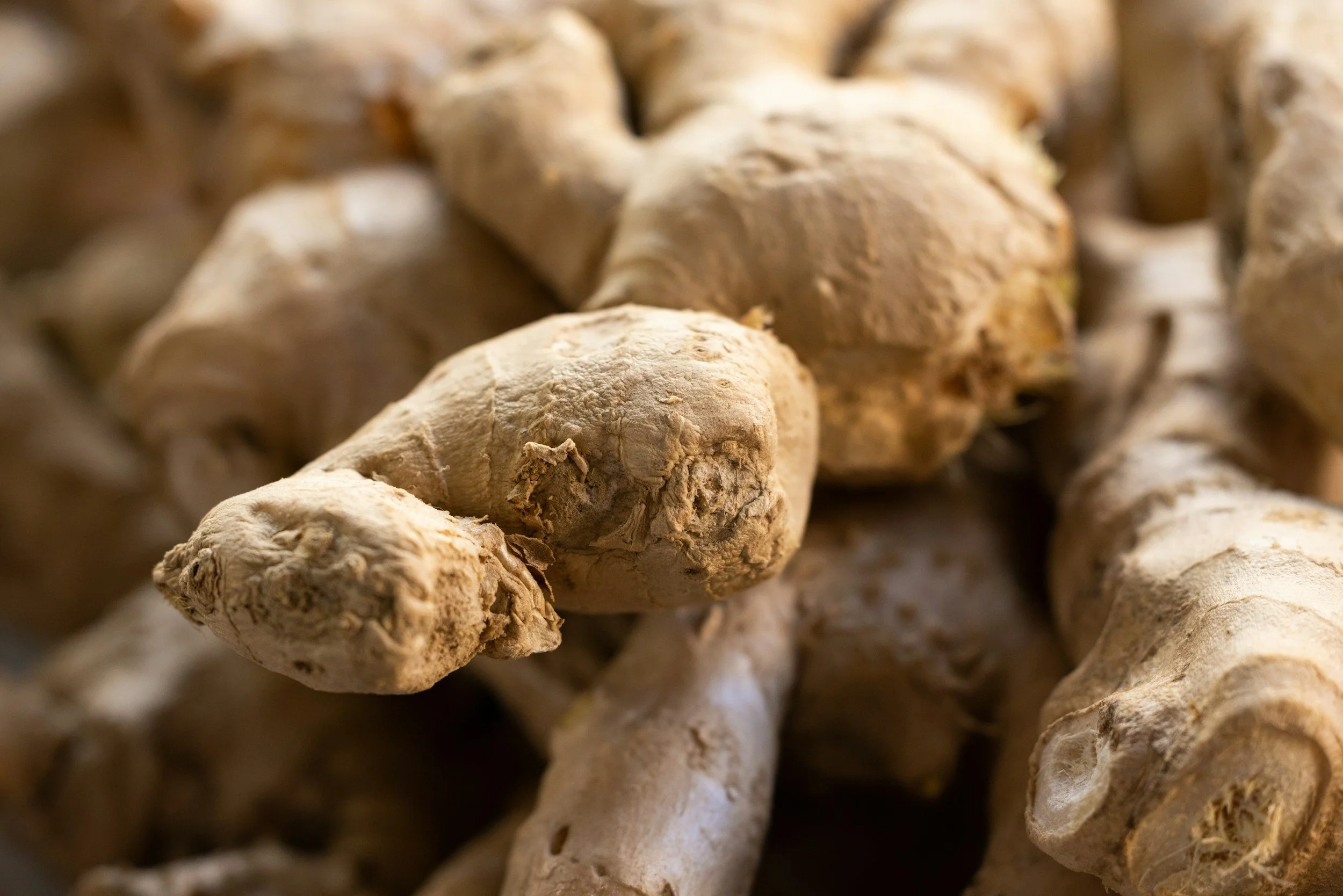
Edible or culinary ginger (Zingiber officinale) is a tender, herbaceous perennial plant. When used fresh, the edible, gnarly rhizome is considered an herb. When dried and ground into powder, it is recognized as a spice.
Ginger is native to the moist tropical and subtropical forests of Southeast Asia, particularly humid, partially shaded habitats. It was brought to Europe by the Romans and became one of the most popular spices during the Middle Ages. Its popularity continues today. In 2023, the International Herb Association named ginger its "Herb of the Year."
Commercially produced culinary ginger is grown in tropical climates, where the growing season lasts eight to ten months, allowing the rhizome to fully mature before harvest. Despite this long growing season, ginger can be grown successfully in Wisconsin with a little extra care.
The first thing to remember is that while ginger is a perennial in its native environment, it must be grown as an annual in our Zone 5 climate. Starting ginger plants indoors in February or March provides the additional growing time needed for the rhizomes to mature. Purchase certified, disease-free rhizomes from a reputable garden center, nursery, or online seed source. Do not use grocery store ginger, as it is not guaranteed to be disease-free and may have been treated to prevent sprouting. Rhizomes can be planted whole or divided, but make sure there are at least two "eyes" on each piece.
Ginger can also be grown as a seasonal crop and harvested as "baby" ginger after just four months, while the rhizomes are still immature. In this case, plant the rhizomes an inch deep after the soil has warmed to at least 70 degrees, with the growth buds pointing upward. Be patient, as the plant will develop roots first, and the shoots may not appear for several weeks. Once the shoots emerge, keep the soil moist but not soggy. These young rhizomes have thinner, easily bruised skin, so care must be taken not to injure them when digging them up.
If fully mature, larger rhizomes are desired, start the plants in containers that can be moved indoors when fall temperatures drop below 50 degrees. The plants will eventually lose their leaves and go dormant. The rhizomes can be overwintered in their containers or dug up, cleaned, and stored in a brown paper bag. Repeat the process in the spring to grow larger rhizomes, which can be harvested entirely or partially every year or two.
Carol Shirk
Certified Master Gardener