Fall Leaves Are Falling
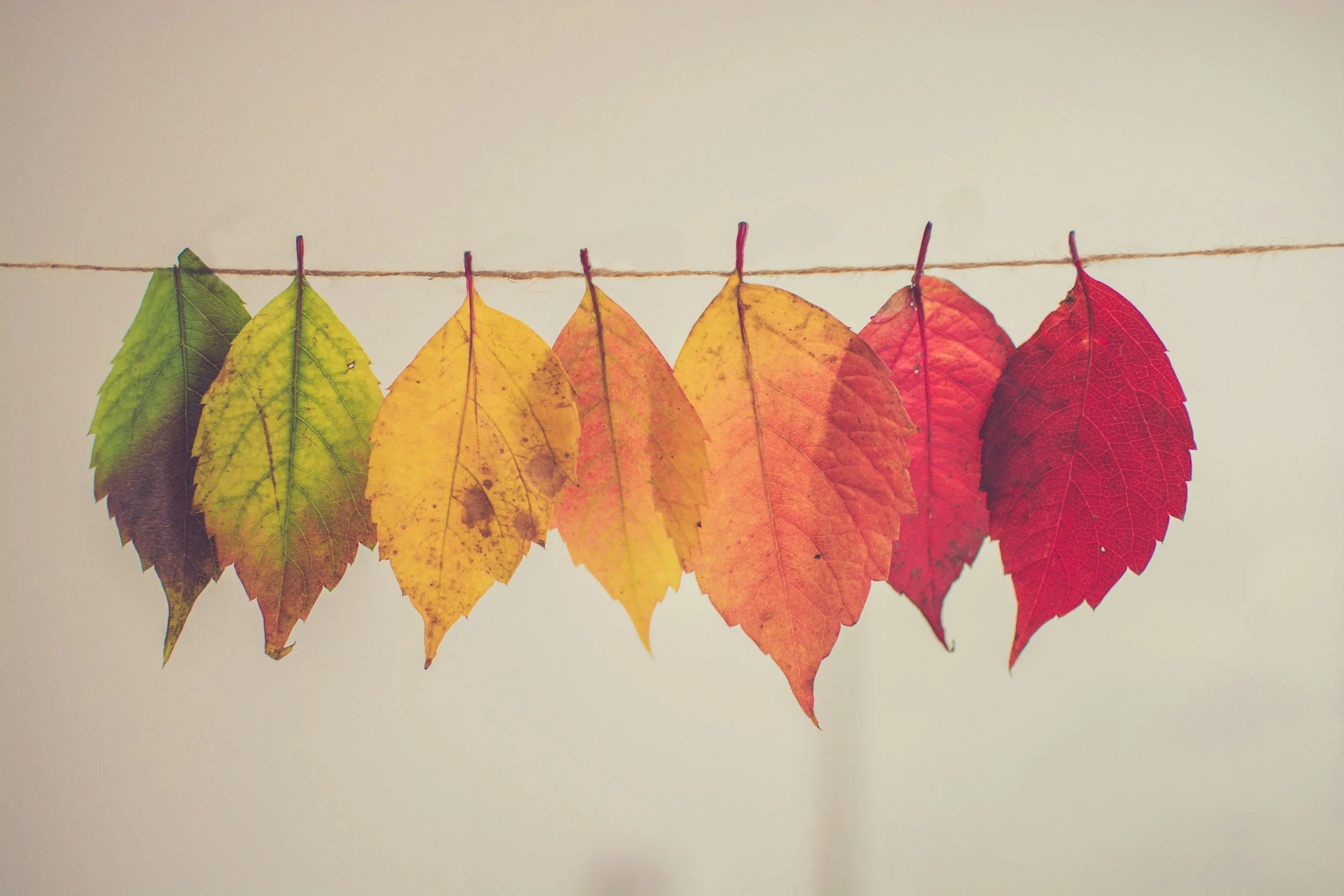
“Autumn is a second spring when every leaf is a flower.” — Albert Camus
Every autumn, beauty surrounds us in the form of brilliant fall foliage. Trees transition from green to yellow, orange, red, and purple. But what causes this transition, and what influences its timing?
Four major groups of compounds contribute to leaf color: chlorophyll, carotenoids, anthocyanins, and tannins. Each contributes its own color or characteristics. As the amounts of these compounds vary, subtle variations occur within individual leaves and throughout the tree.
The green color that leaves maintain throughout the growing season is caused by chlorophyll. This pigment allows trees to carry out photosynthesis, the process necessary to produce the food they need to survive. As the days grow shorter and cooler, chlorophyll breaks down faster than it is produced, revealing the carotenoids.
Many of the yellow and orange colors that nature provides are the result of carotenoids, which are also responsible for the colors of carrots, bananas, and sweet potatoes. Although carotenoids are present during the growing season, their colors are masked by chlorophyll. Once the chlorophyll breaks down, the carotenoids become visible.
The reds and purples in leaves are produced by anthocyanins. Not all trees are genetically predisposed to producing these pigments, and several factors influence the colors they create. If the cell sap of a leaf is acidic, the color tends to be red; if it is less acidic, the color may lean toward purple or blue. In addition, anthocyanins require sugars for their production. Therefore, increased photosynthesis is important. Bright, sunny fall days can promote more vivid colors, while cloudy days may reduce their intensity.
When chlorophyll breaks down and carotenoids are no longer prominent, tannins contribute to the brown colors seen in some leaves. Tannins are compounds that can make leaves taste bitter and may help protect plants against certain pests and pathogens. Their presence is particularly noticeable in the brown leaves of oak trees.
What starts the process of fall leaf color change? Weather conditions during both autumn and summer affect the brilliance of the fall display. Temperature and moisture are two dominant factors. Repeated warm, sunny days followed by cool nights, particularly those below 45 degrees Fahrenheit, often produce the best displays. These conditions encourage the accumulation of sugars in leaves, helping anthocyanins develop and intensifying the fall colors.
Soil moisture throughout the growing season also has a significant effect. A summer drought can cause leaves to change color and fall earlier than usual. Conversely, a warm, wet spring followed by favorable summer and autumn conditions can help set the stage for a spectacular fall display.
Individual trees that consistently change color earlier than others may be experiencing chronic root or trunk problems that interfere with the transport of water and nutrients. If an individual tree shows unusual or premature color changes, further investigation may be warranted.
Enjoy the display while it lasts. Eventually, however, the show comes to an end. Senescence is the process of aging that occurs as a leaf approaches the end of its life. Before a leaf falls, a layer of cells forms at the base of its petiole (the small stem that attaches the leaf to the tree). This separation layer gradually blocks the movement of water and nutrients between the leaf and the tree. Once the connection is severed, the leaf falls.
Fallen leaves decompose and return nutrients to the soil. If possible, chop the leaves and leave some on the ground. They provide food for soil organisms, improve soil health, and help continue the cycle of life.
Carol Shirk
Certified Master Gardener