Sedum: The No Muss, No Fuss Plant
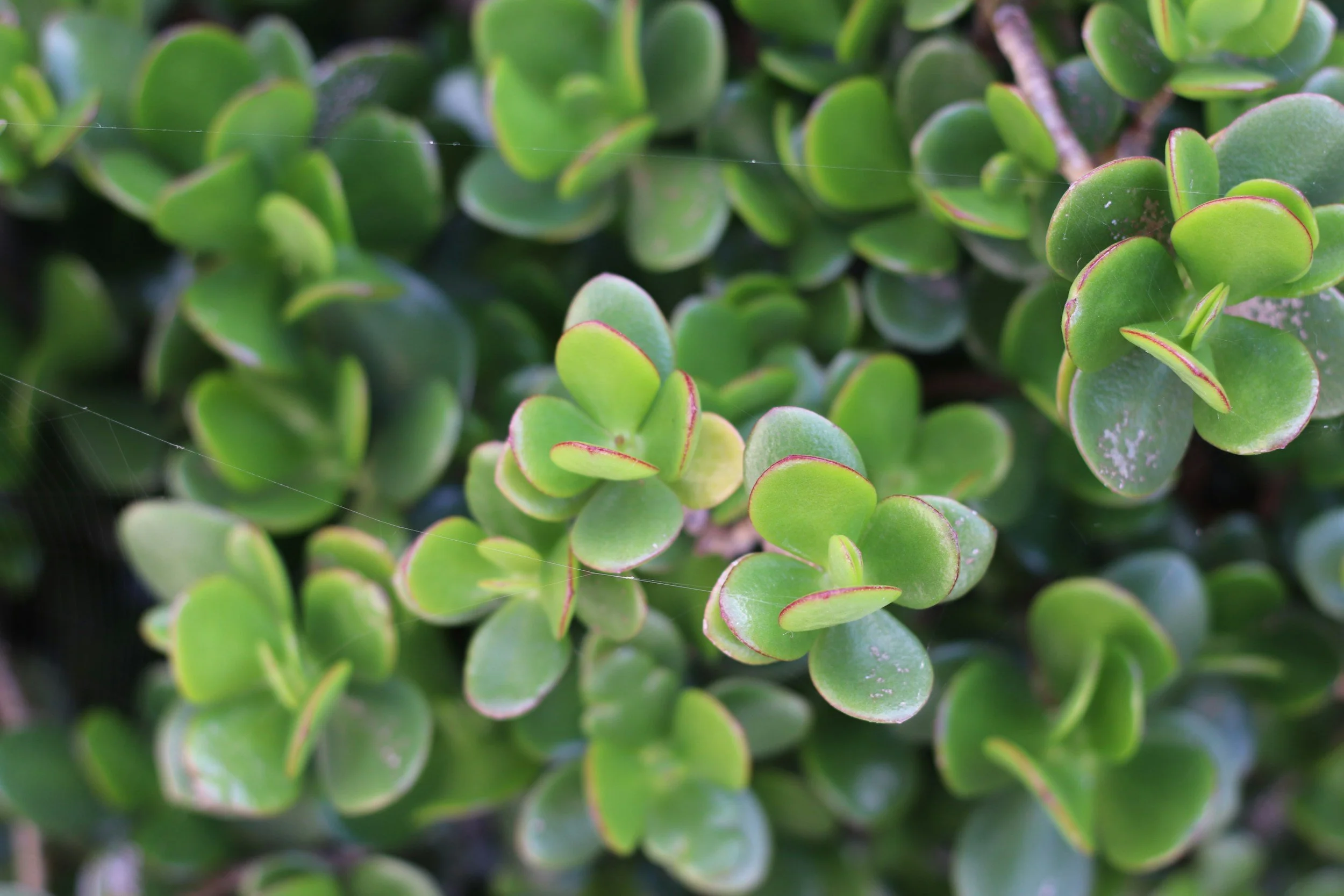
Photo Credit: Unsplash
When sedum is mentioned to Wisconsin gardeners, the mind immediately goes to ‘Autumn Joy,’ that northern favorite in many gardens. However, there are over 400 species of sedum, some upright and some low-growing. While a no-maintenance plant does not exist, sedum are some of the best low maintenance plants available.
Sedum, also called stonecrop, are succulent and herbaceous perennials with fleshy, flat, or rounded leaves that serve as water storage organs. The word sedum comes from the Latin, meaning “to sit” and refers to the tendency of many of the species sprawling capacity. Most sedum originate from the northern hemisphere, predominately China, Japan, and Korea, but some from North America as well.
Sedum can withstand extreme heat, drought, and poor soil. They require little fertilization. In fact, soil that is too rich will result in leggy plants prone to drooping. Well drained, even sandy or gravely soils, are perfect environments for sedum. Rock gardens are also the excellent environments for these plants. Many are seen meandering along rock walls. Full sun to part shade is the best option, but too much shade will result in leggy plants. Since these are succulents, water needs are minimal. Too much water will lead to root rot and very unhappy plants.
The upright species of sedum (including the popular ‘Autumn Joy’) grow to a height of about twenty-four inches. The blooms are large clusters of tiny star-shaped flowers, in white, yellow, pink, or red. They attract abundant pollinators and because they bloom in the late summer and into the fall, they extend a pollinator garden beautifully. Whether used as an addition to mixed borders, walkways, rock gardens, or planted in mass, these plants will brighten any garden. Spent flower heads add winter interest to the landscape or can be picked and added to dried flower arrangements. If space is an issue, these uprights can also be planted in containers and will do very well.
Low-growing sedum are traditionally used in rock gardens and as ground covers. In Europe, they are used as green roof covers for stormwater management and insulation. These species do not get taller than four to six inches, and spread quite easily, usually one to two feet across per plant. Some spread almost too easily and will overtake other vegetation. Although they do have a flower, they are more commonly grown for the foliage which can range from bright gold to deep purple. One of the favorites for northern gardeners is ‘Angelina,’ a hardy bright yellow species that will turn reddish orange in the fall.
Sedum are easy to divide when they outgrow their environment. Simply dig up the clump, divide it, and replant part of it in another part of the garden. They are quite adaptable and can be divided either in the early spring before they emerge too far or in the fall when they are done blooming.
Although there are common favorites, there are a wide range of plants available that are hardy to the Dodge County zone 5a. Some upright varieties include ‘Brilliant,’ ‘Thunderhead,’ and ‘Double Martini’ are three that might be worth adding to your garden.
If a low-growing variety is more your style, take a look at ‘Dragon’s Blood,’ ‘Dazzleberry,’ or ‘Lime Ginger’ for some added pizzaz to your space. Choose several for an easy-care border.
Carol Shirk
Certified Master Gardener