Winter Houseplant Care
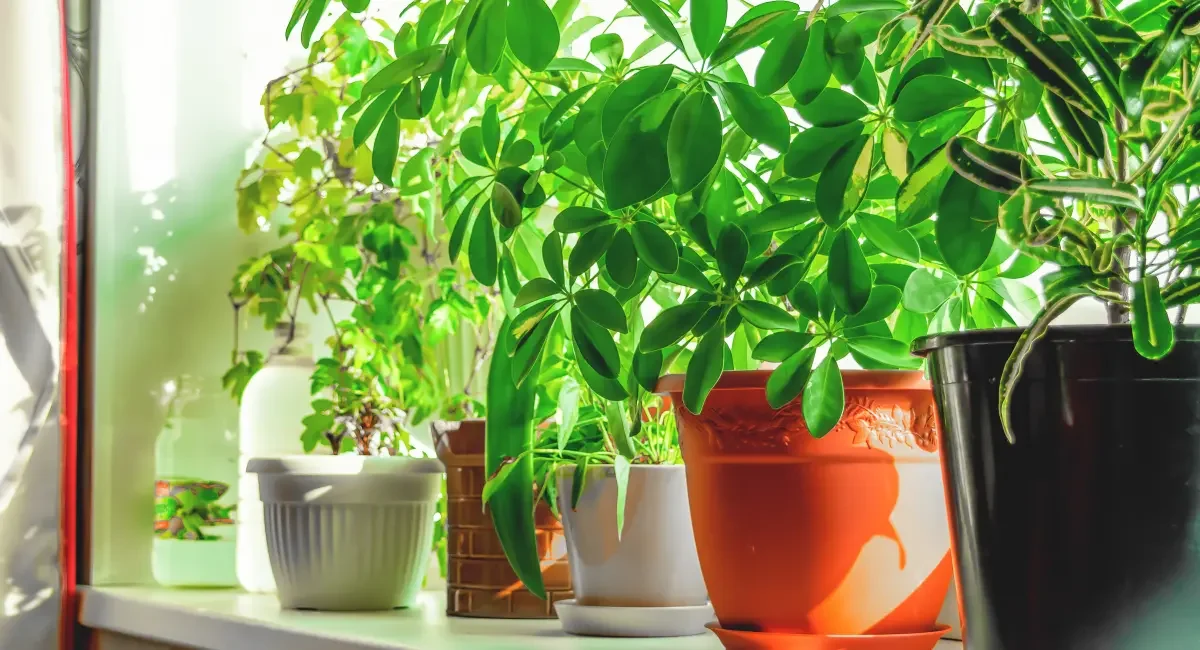
While outdoor plants are tucked in under mulch, resting until spring it is time to turn some attention to indoor plants. Houseplants need a little different care during the winter. Conditions inside a Wisconsin home are significantly different during the winter than during other seasons and this leads to some challenges for houseplants.
Interestingly enough, more plants die from overwatering in the winter than underwatering. During the winter houseplants do not transpire or photosynthesize as much, so they need less water. The best water testing device is at the end of your hand. Poke your finger into the soil and if it is dry down an inch or two give the plant a good soaking until water runs out the bottom. Do not let it set in water, but remove any excess. Do not water again until the soil has dried out, but not bone dry.
Most plants prefer a relative humidity of 40-50%. Wisconsin homes seldom have that luxury. If a humidifier is in the home, putting the plants near it is a good option. If not, grouping the plants together will help the situation. Additionally, placing the plants on a shallow tray of pebbles with water in the pebbles (so that the plant rests on the pebbles and not in the water) can boost the humidity. Misting plants provides negligible benefit. It lasts only for the time in which the misting occurs and dissipates rapidly.
Wisconsinites are an energy-conscience lot. Turning down the thermostat is great for the environment, but not necessarily for the houseplants. Most houseplants are native to the Mediterranean or to tropical areas. They thrive at 65-75 degrees with no more than a 10 degree drop at night. More importantly, they need to be protected from cold drafts from windows and hot blasts from heating vents or registers. Dramatic fluctuations will result in drooping, wilting, or even an insect infestation.
Fertilization is rarely recommended during the winter months. Houseplants are not very active during this off season. If fertilizing is done at all, reduce the dose to one half the recommended amount.
If the plants are looking a bit thin and spindly, it may be a lack of light. If south windows are available, consider positioning the plants so that they can capture whatever light is available from them. If not, consider some supplemental light short term. Remember, “grow lights” are only necessary if blooming plants are being grown. Otherwise, a simple shop light will do the trick.
Winter is a good time to spruce up houseplants. Put them under a shower and give them a bath. Wash off all that accumulated summer dust. If they are too big to move, just sponge them off with a damp cloth. This will brighten them significantly gives an opportunity to inspect for any disease or insect activity.
Following these guidelines will keep plants generally healthy. However, if some insects decide to come calling, the most common ones are mealy bugs and spider mites. If caught early, they can be controlled with a cotton swab dipped in alcohol, or by dipping the plant in water for about 10 minutes.
Research has shown many benefits to having houseplants. By keeping them healthy we gain many benefits to our own health and happiness and keeps our gardening thumbs busy in the winter.
Carol Shirk
Certified Master Gardener