
Fall Lawn Care
There is a tendency, when fall approaches, to be tired of mowing the lawn and just neglect any further turf care. However, according to Doug Soldat, UW Turf Specialist, fall is actually the perfect time to give some extra attention to the area and, as a consequence, be in great shape for next season.

Spring Blooms Mean Fall Planting
Fall is steadily creeping up. Pumpkins ripen, harvest preservation begins, geese arrive in steady numbers, and trees start to show peeks of color. Cool fall mornings radiate with beauty and peacefulness. But as one looks ahead to spring and anticipates those fresh, vibrant bits of green growth poking through the soil, the planning must begin now. Spring blooming flower bulbs must be planted in the fall.

Giant Joe Pye Weed
If you are looking for a stately, eye-catching, late-summer to fall blooming plant for the back of your flower gardens, look no further than Joe Pye Weed. Do not be deterred by the name, for this pollinator-magnet is no weed.

Growing Glorious Garlic
Garlic (Allium sativum) is a close relative to chives and onions. California is the garlic capitol of the United States, but Wisconsin home gardeners can easily grow their own and will find that it is a superior product of anything purchased. However, garlic requires a cold period to produce a large clove, and therefore must be planted it in the fall. Although garlic is a perennial, in our southern Wisconsin climate it is grown as an annual.
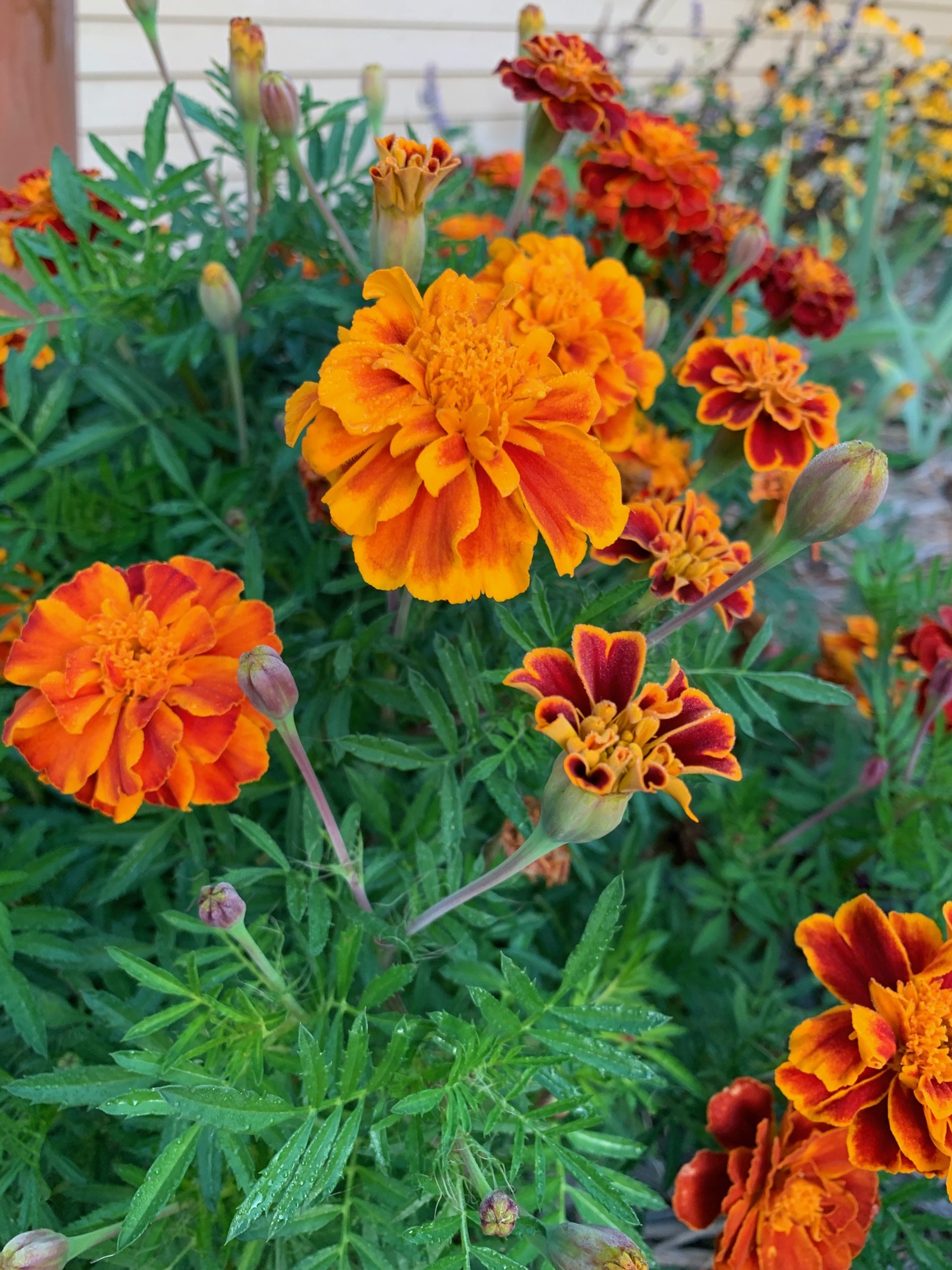
Merry Marigolds
The marigold has long been a cornerstone of the flowerbed. A dependable annual, easy to grow with beautiful blooms and reliable all summer with few insect or disease problems, they make every landscape more beautiful.

Spittlebugs
Have you seen frothy white spit-like masses on your plants this spring? The aptly named spittlebug makes these deposits after creating a spittle-like secretion by combining air with excess fluid secretions from the sap they consume. Notably, however, it isn’t really spittle—it comes out the other end of the body.

Chipmunk and Ground Squirrel Control
The growing season is in full swing, everything is planted, things are sprouting, and all is well. Then, those cute, furry chipmunks or ground squirrels show up and things take a turn. While chipmunks can be very entertaining with their antics, they can also wreak havoc for a gardener with their thieving ways and unappreciated burrows.
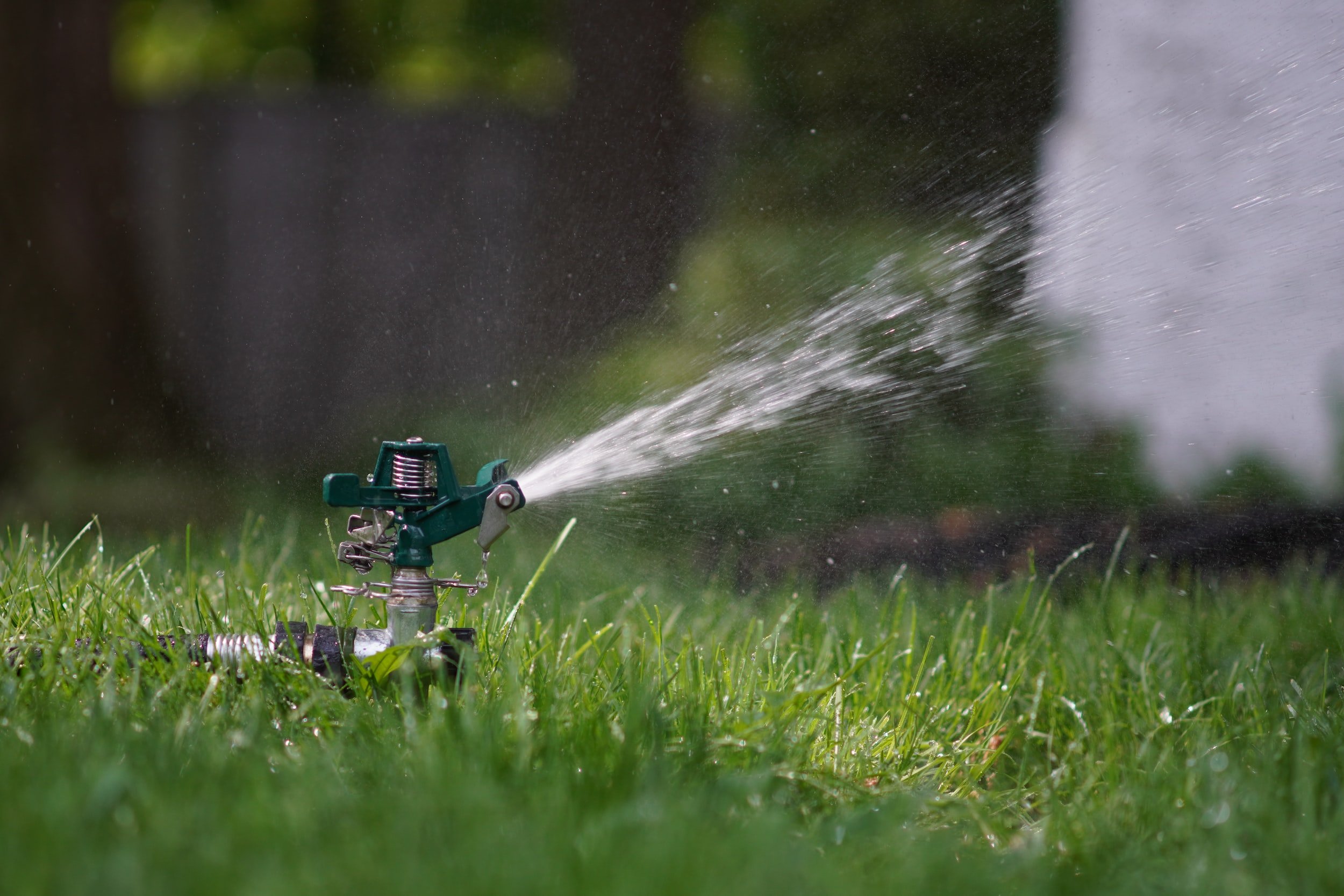
Lawn Care
Most lawns are an important part of a homeowner’s landscape. A beautiful lawn can add value to the home as well as keep neighbors happy. Now that the lawn care season is beginning, it is time to put some consideration into how to approach it thoughtfully. Last year Dodge County encountered some drier than normal conditions which may affect how lawns respond to the spring renewal.
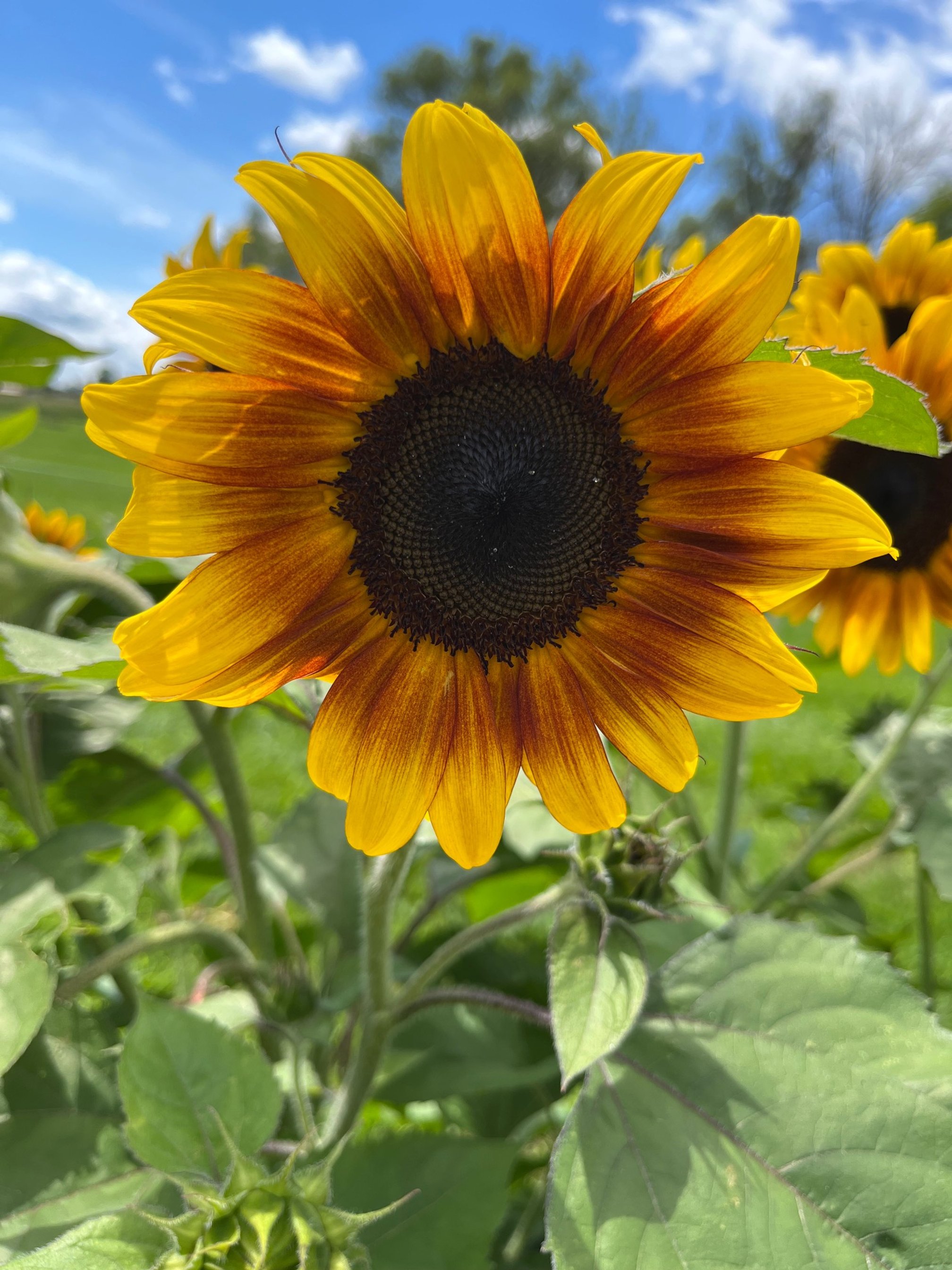
Sunflowers
Sunflowers are an easy-to-grow, fun, native plant that make a wonderful addition to any garden. No longer just the standard, tall yellow flower, they come in a wide range of colors from pale yellow to deep red and are available in dwarf, branching, and giant sizes.

Spring Prune Up
Early spring is a great time to get the gardening season under way. March is the ideal time to prune woody ornamentals. The branches are still bare, revealing the structure of the plant and making any necessary shaping a snap. Additionally, insects and diseases that might attack an open wound are not active, making it easier for the plant to recover.

Peperomia: an easy growing houseplant
In 1920, James H. Burdett launched the National Gardening Bureau when he saw a need to provide basic gardening instruction to suburbanites. From this inauspicious beginning, the organization has grown for over 100 years. Each year the Bureau selects one annual, one perennial, one bulb crop, one edible, and one shrub as a “Year of the” crops. Plants are chosen because they are popular, easy-to-grow, widely adaptable, genetically diverse, and versatile.

Turtlehead: A Snappy Addition to Your Garden
Now that we moving past fall and into winter, do you look back and realize that your fall landscape was missing some color? If you want more than just mums and asters to brighten your fall days, consider Turtlehead (Chelone) as a spectacular addition.

Saving Flower Seeds
One of the final, fun fall tasks is saving seeds. This can range from the complicated when saving seeds from fleshy vegetable that require fermenting to the simple gathering of dried seeds. Flower seeds are one of the easiest to save, and with a few basic pointers, you may never purchase seed to your favorite flowers again.
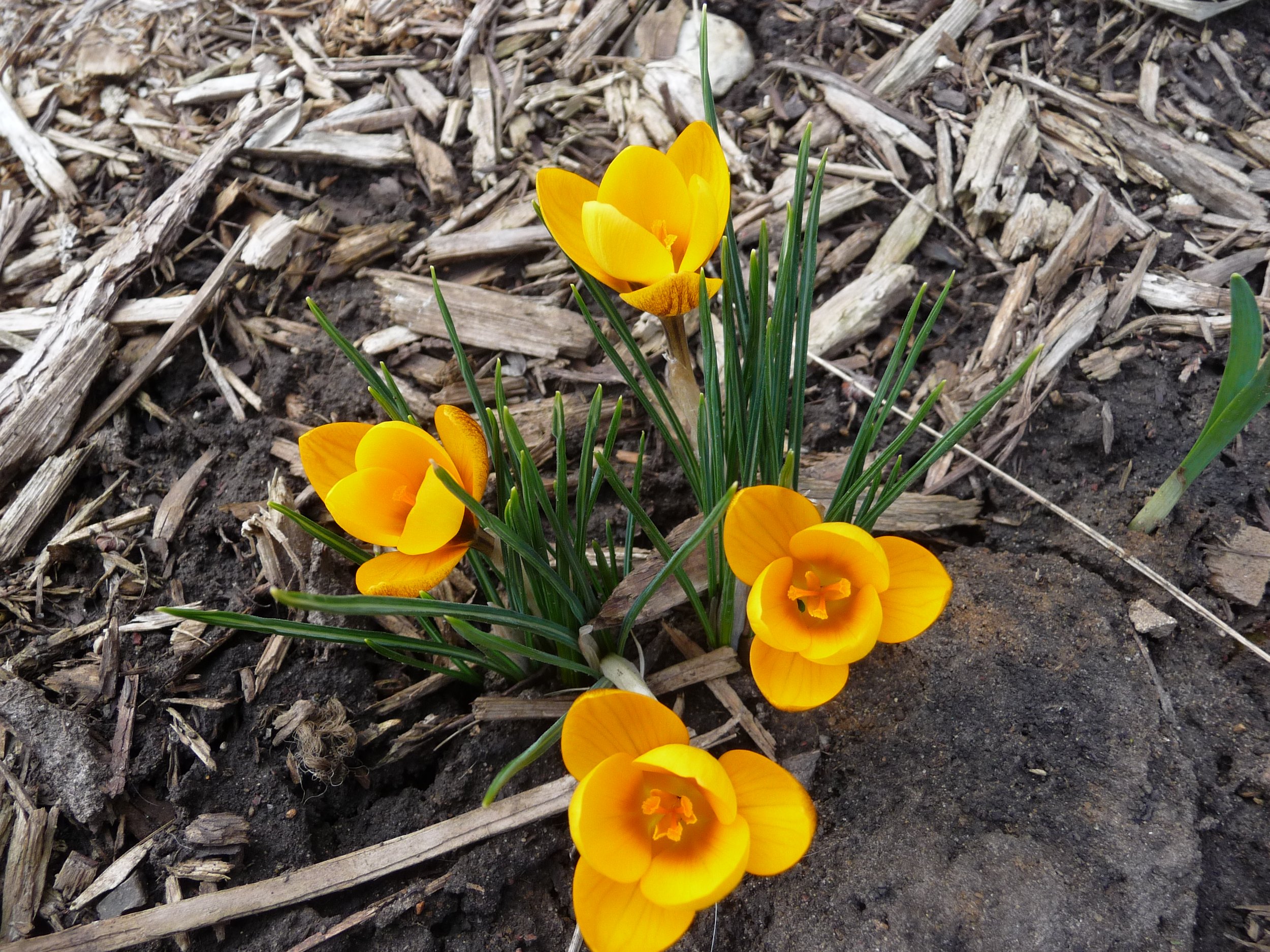
Minor Bulbs for Major Impact
Spring is far off and gardeners are attempting to finish up fall tasks and prepare for winter. But in order to have an early burst of beauty in the spring, gardeners should plan ahead, planting bulbs in the fall, in order to have something colorful on a dull spring day. Many people utilize major bulbs like tulips, daffodils, and hyacinth, but the minor bulbs are woefully underrepresented in most landscapes.

Gardening Gone Batty
For years ignorance and fear have led humans to kill bats, the only true flying mammals. In addition, loss of habitat, disease, increased pesticide use, and man-made devices, like wind turbines, have contributed to a significant decline in the population of these creatures that are a vital part of a healthy ecosystem.

Cup Plant: a beautiful native plant for the landscape
Cup plant, Silphium perfoliatum, is a native plant that can be seen growing in moist ditches in Dodge County as well as in the educational garden outside the Administration Building in Juneau. If you are looking for a native wildflower that will not only bring beauty to your landscape but also provide food and water to a whole host of insects, birds, and amphibians, look no further than this unique specimen.

Need a Little Extra Thyme?
Fresh herbs are easy to grow and delicious to use. Versatile thyme can be used either fresh or dry, can be grown for edible uses or as a perennial ornamental that will attract pollinators. It is easy to grow, does not require special conditions, and can be easily moved indoors when winter threatens.

Proper Tree Planting
Spring is an ideal time to plant new trees in the landscape. There are some key practices that ensure long term success for your new addition.

Watering Gardens
In Wisconsin, some growing seasons have abundant rainfall and others do not. Seldom do we go through an entire season without needing some supplemental watering. Lack of water for even a short period of time can have a detrimental effect on plants as they rely on the water to draw up nutrients from their roots to the rest of the plant. Under drought stress, plants may produce stunted fruit, produce no fruit at all, or may produce tasteless, woody, or unpalatable fruit. Knowing how much, when, and how to provide water is a key factor in gardening success.

Growing Greens
Spring has arrived and most gardeners are anxious to start growing something. It is too early to plant most vegetables, but some of the earliest that can be planted are the greens. The most common green is lettuce, but arugula, cresses, endive, kale, spinach, chard, and beet greens also fall into the category. The easiest way to get a variety of greens is to plant mesclun.