Garden Styles for Everyone
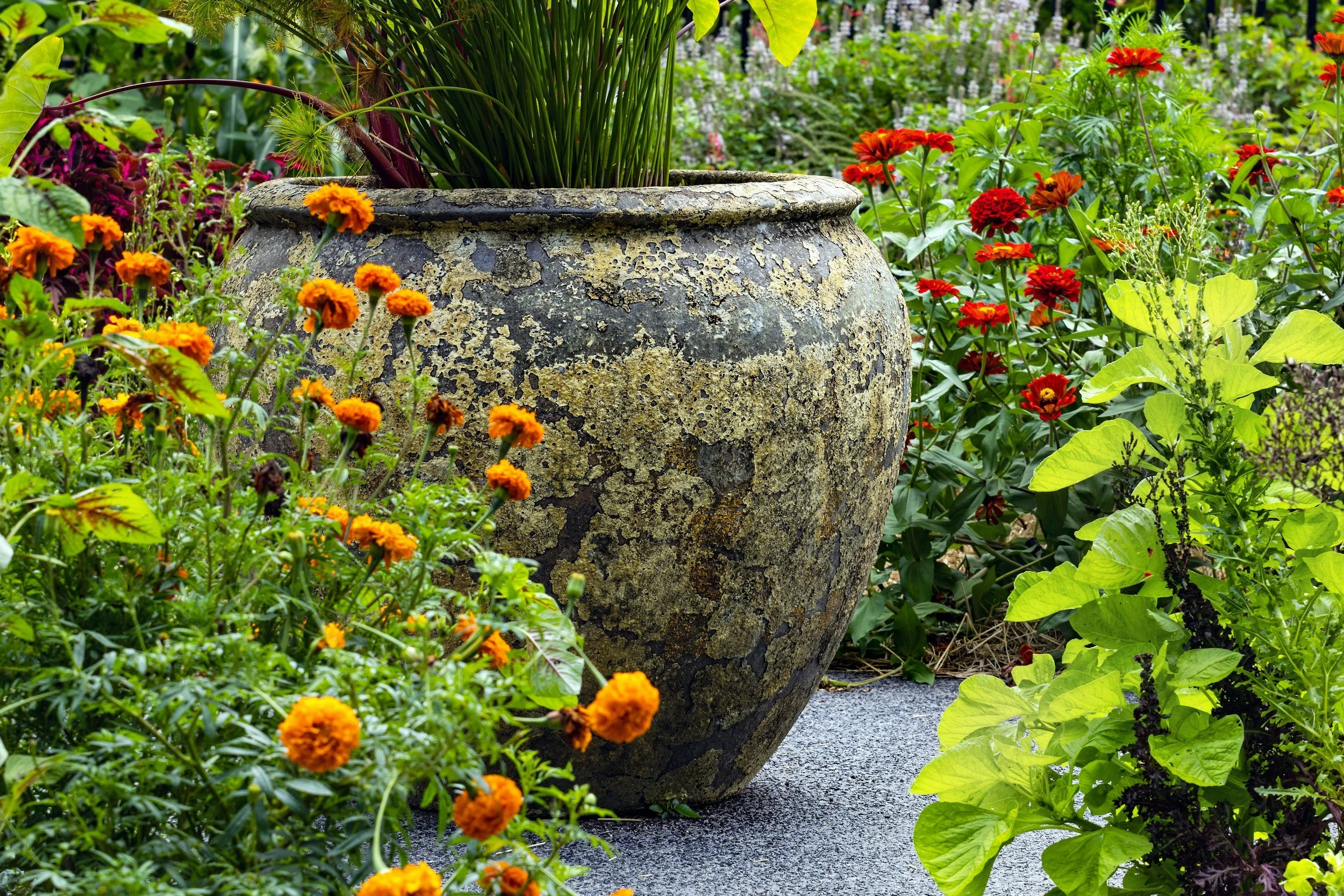
In my life, garden styles have been an eclectic mix of whatever friends have given me, what I found on the cheap, or what I divided and spread around. There wasn’t a lot of “design” that went into it, other than the concept of “right plant, right place” and an emphasis on native plants. However, there are several garden designs and styles that one might consider when planning a landscape.
The English style garden emphasizes a less formal design. There are three styles of English gardens: cottage, Victorian, and classic English style. All three are loosely styled and free flowing. The cottage garden became popular though the works of Gertrude Jekyll and emphasizes specific attention to color and aesthetic similar to impressionist paintings. Certain flowers are considered staples in this garden, including roses, peonies, primrose, and hollyhocks.
Victorian gardens brought a link from the house to the garden. They included the incorporation of greenhouses, kitchen gardens, and public gardens. Bold colors, asymmetric beds, and swaths of color dominated these gardens. Hardscapes, including picket fences and urns, also made these gardens beautiful.
The classic English garden uses elements from both the cottage and Victorian gardens. It is flowing and easy going, but well-tended. There is abundant variety with new things coming and going on a regular basis. Meandering paths compliment the overall look. A garden gate is almost a must, along with some structure with plants climbing along them. A seating place to enjoy the garden is also a welcome part of this type of garden.
The Colonial style garden was based more on survival and function. In this case, vegetables, herbs, and perennials all find a home in the same space. Symmetrical layouts, often divided into quadrants, are typical of this style. Walkways between the beds defined the space and allowed for ease of movement between them. Besides the edibles, typical plants for colonial gardens included wormwood, New England asters, false indigo, coneflower, Virginia bluebells, and bee balm to name a few.
Japanese style gardens are a much more simple, structured venture. They include three components: stone, water, and wood. The colors are subdued and the plants are also more limited, including Japanese maples, azaleas, conifers, hostas, moss, and flowering cherry trees. Plants are strategically placed to keep a simple balance. All the components are designed to represent nature. The Japanese garden is designed to be a place of peaceful tranquility.
The Mediterranean garden style, including those common to Spain, France, and Itay, are known for their balanced elegance. Order is operative word for this style. Formal, and balanced layouts are the key features. Meticulously trimmed hedges, fountains, and stone features will dominate this style with green being the dominate color. The home is always the focal point of this garden design. This is a garden style that will take more than the average amount of work to maintain, but it will be a work of art.
A landscape does not need to be exclusively one style. The overall look may be more of an English style garden with one corner a Japanese garden set aside for some peaceful contemplation time. Or, the English garden may have a Colonial style section to suit the needs of a bustling kitchen. Each garden has distinctive advantages to meet aesthetic appeal of the homeowner.
Carol Shirk
Certified Master Gardener